
Reviewed · WALKING TOURS
Walking Tour of Glasgow
Stepping onto these streets, you start to see Glasgow as a story. This is a short, actor-led walking tour that strings together the city’s big architecture, famous public sculptures, and key history in about two hours, without turning the walk into a long lecture.
What I love is the actor-guided format. Guides such as Gordon Hart, Ian, Luke, and Marty (yes, there are multiple performers) bring scenes to life with humor and clear pacing. I also like how practical it is for a first visit: you get your bearings quickly, then you end near Glasgow Cathedral so you can spend extra time on your own.
One consideration: the route is compact. If you want deep, slow exploration of fewer sites, this might feel like a whistle-stop overview, especially in bad weather. Also, one thing to watch for is that some guides may mention voluntary payment during the tour, even though you already paid through your booking.
In This Review
- Key highlights that make this tour worth your time
- Entering Central Glasgow: a quick way to get your bearings
- Price and value: why $23.61 feels fair for two hours
- Actor-guided storytelling: why it works on this specific route
- City Chambers: the marble staircase and cinematic fame
- Gallery of Modern Art: from Duke of Wellington’s statue to a shape-shifting building
- George Square: statues that compress Scottish and British history
- Merchant City: why Glasgow rose from ports, shipyards, and early wealth
- Glasgow Cathedral finale: Scotland’s only extant cathedral
- Pacing, timing, and weather: what to expect on the ground
- Group size and the hearing factor
- Who this Glasgow walk suits best (and who might want something else)
- Should you book this Glasgow walking tour?
- FAQ
- How long is the Walking Tour of Glasgow?
- What is the price per person?
- Where does the tour start and end?
- Is the tour in English, and do I get a ticket on my phone?
- Are there free admission stops?
- How big is the group?
- What happens if the weather is poor?
Key highlights that make this tour worth your time
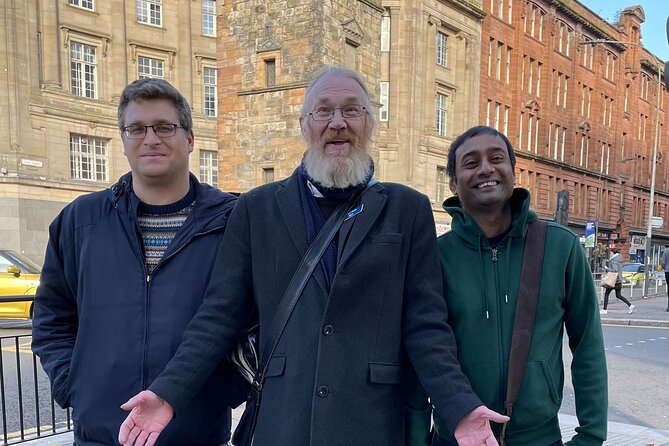
- Guides are actors, so the storytelling stays fun and structured instead of dry.
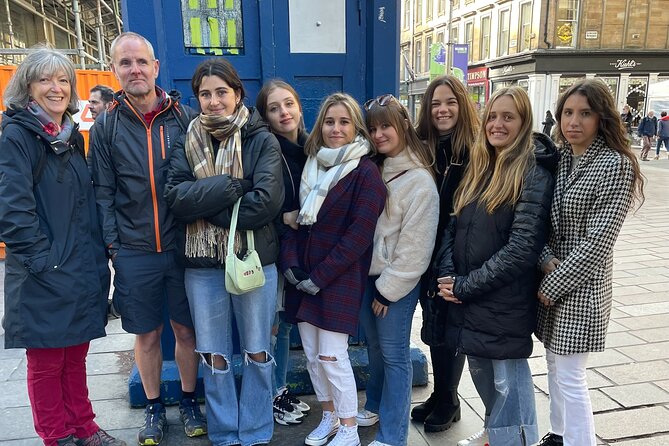
- Small group size (up to 12) makes it easier to hear the guide and follow the route.
- City Chambers delivers big visual payoff: the marble staircase is famously one of the largest in Europe.
- George Square gives you a compact timeline through statues tied to Scottish and British Empire history.
- Merchant City frames why Glasgow became powerful by focusing on ports, shipyards, and early wealth.
- Free entry stops are listed for all main sights on the walk, keeping costs simple.
Entering Central Glasgow: a quick way to get your bearings
Glasgow can feel layered: grand Victorian stone, civic landmarks, and public sculptures that quietly carry centuries of identity. This walk is designed to help you “place” what you’re seeing. In about two hours, you’re not just ticking off names—you’re building a mental map of how the city’s civic pride and economic muscle shaped the center.
The route also makes sense for timing. You start mid-morning (10:30 am), take short stops, and finish at the heart of the medieval core around Mercat Cross. That means you can roll straight into lunch, a museum, or a slower wander afterward—no awkward end-point far from everything.
More guided walks worth the shoe leather around Glasgow


Price and value: why $23.61 feels fair for two hours
At $23.61 per person, this tour sits in the “small cost, high usefulness” category. You’re paying for three things: a guide who can explain what matters, a route that links multiple sights efficiently, and the entertainment factor from performers.
The other value booster is that the main stops are shown with free admission tickets. That doesn’t mean you’ll get unlimited access to every room (you still follow what’s open on the day), but it does mean you’re not stacking extra entry fees onto a short walking plan. For a first-time visitor, that can make a big difference.
One more thing that helps the value: the group limit is 12 travelers. When tours are crowded, you spend your time repositioning and squinting. Here, the smaller size keeps the information and jokes actually land.
Actor-guided storytelling: why it works on this specific route
This isn’t just a guide who points and explains. It’s guided by actors who turn history into scenes. In practice, that matters because many of these landmarks can look impressive but confusing if you don’t know what they represent. City Chambers is stunning, but why does it matter? Why is George Square packed with statues? Why is Merchant City remembered for ports and shipyards? The actor format helps you connect the dots fast.
Clear voices and strong delivery come up again and again in the experience feedback, with guides like Luke being noted for speaking loudly and clearly, and Marty handling even rough weather while keeping the group engaged. That’s not a minor detail. A walking tour only works if you can consistently hear the story without the route getting frustrating.
City Chambers: the marble staircase and cinematic fame
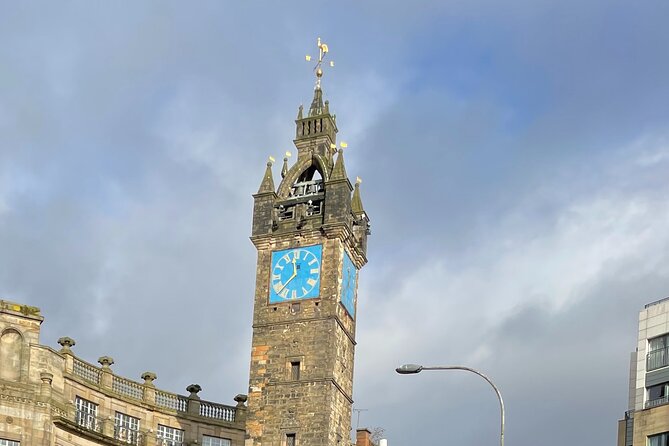
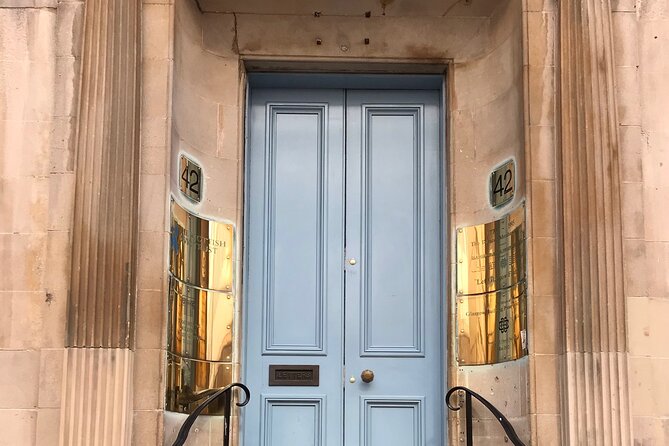
You kick off at City Chambers, one of the most magnificent municipal buildings in Europe. The highlight is the marble staircase, described as the largest in Europe. Even if you only get a brief look from where the tour stops, it’s the kind of detail that makes you understand why Glasgow wants to be seen as powerful and dignified.
City Chambers also has that fun “wait, I’ve seen that” energy. It’s regularly used as a film set and has shown up in productions including Indiana Jones and the Dial of Destiny, The Buccaneers, and World War Z. If you like recognizing locations from screen to street, this stop delivers.
What to consider: since this is a walking tour with short timed stops, you may want to arrive with a light focus—look for the staircase and the building’s scale first, then decide later if you want deeper exploration on your own after the tour.
Gallery of Modern Art: from Duke of Wellington’s statue to a shape-shifting building
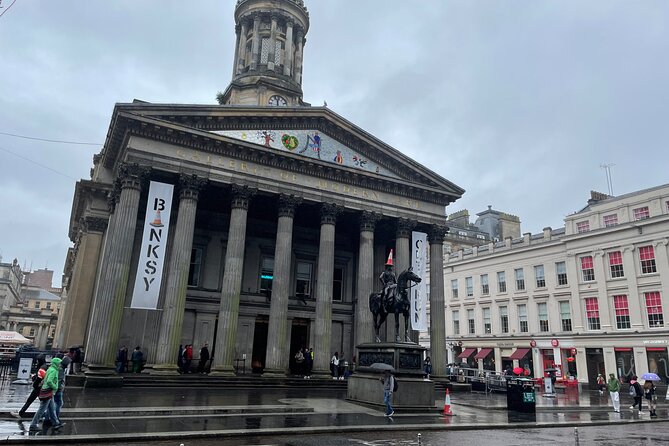
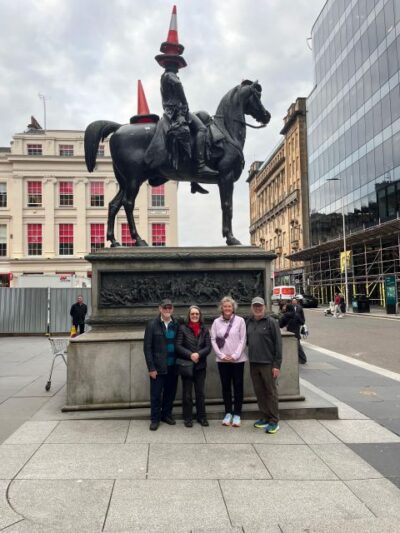
Next up is the Gallery of Modern Art, with the famous Conehead statue—depicted as the Duke of Wellington. This is the kind of pairing that makes a city tour click: a statue acts like a landmark sign, and the building becomes the context.
You’ll also hear the building’s history described as a long career in different roles—moving from private house to Stock Exchange to Library, and, of course, connected to the Duke of Wellington. That helps you see the area as part of Glasgow’s changing economic and civic life, not just a place where art happens.
A nice practical detail: the stop is short, so it works even if you’re not an art person. You’re learning how to read the surroundings, including why the statue sits where it does and what it signals about status and memory.
- Glasgow: Celtic Park Stadium Tour★ 4.9 · 3,336 reviews
- Guided Celtic Park Stadium Tour★ 5.0 · 3,136 reviews
- Glasgow: City Sightseeing Hop-On Hop-Off Bus Tour★ 4.5 · 3,095 reviews
- From Glasgow: Oban, Glencoe, Highland Lochs & Castles Tour★ 4.9 · 2,123 reviews
- City Sightseeing Glasgow Hop-On Hop-Off Bus Tour★ 4.5 · 1,873 reviews
George Square: statues that compress Scottish and British history
George Square is where Glasgow turns into a timeline you can walk through. The tour frames it as a space with over fourteen famous and unique statues representing Scottish and British Empire history. The key idea is that public art isn’t random decoration here—it’s a curated story about who mattered.
You’re guided to notice that the statue mix includes writers, scientists, and figures tied to wider, sometimes uncomfortable parts of history (including infamous characters). The tour also points out a striking gender imbalance—there’s only one woman among the statues mentioned here—which is an effective reminder that history is often selective.
Practical tip: take a minute to look at the statue faces and poses, not just the names. Statues were built to project authority, grief, victory, or remembrance. Even a quick look helps you understand the mood the square is trying to set.
Potential drawback: George Square can be a lot at once. With only around ten minutes on this stop, you won’t master every statue. If you want to linger with one or two figures, treat George Square as your sampler—then circle back later if something catches your interest.
Merchant City: why Glasgow rose from ports, shipyards, and early wealth
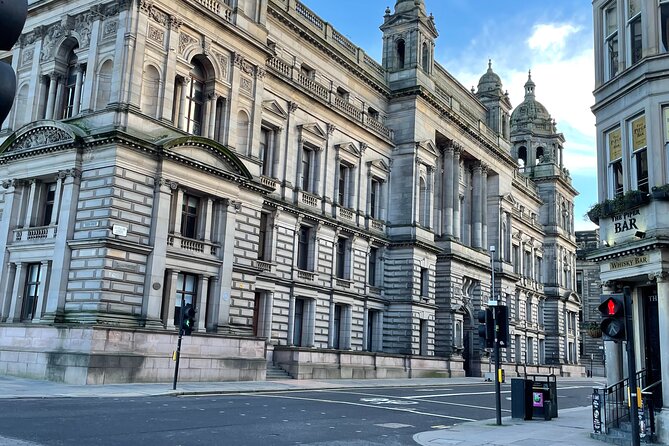
Merchant City is where the tour shifts from buildings and statues to power and money. This area is described as the original source of Glasgow’s great strength, tied to the workhouse of the British Empire and the city’s biggest port and shipyards. It’s a concise lesson in why Glasgow became significant far beyond local life.
What’s especially useful here is the explanation of how wealth and trade drove change. The tour notes that this small part of Glasgow produced the world’s first ever millionaires, and that the residents founded industries that helped shape the wider world. Whether you’re a history fan or just curious, this gives you a reason behind what you see today—why the center feels built for ambition.
You might also pick up extra story angles from the guide’s narration. Some guides are known to weave in themes like tobacco barons, the start of the American War of Independence, witch trials, and even the Celtic vs Rangers rivalry. That kind of storytelling helps Merchant City feel less like a label and more like a place where big events actually mattered.
Consideration: if you’re expecting a deep stop inside warehouses or docks, you won’t get that here. This is about interpretation in the streets—fast, clear, and designed for first-time orientation.
Glasgow Cathedral finale: Scotland’s only extant cathedral
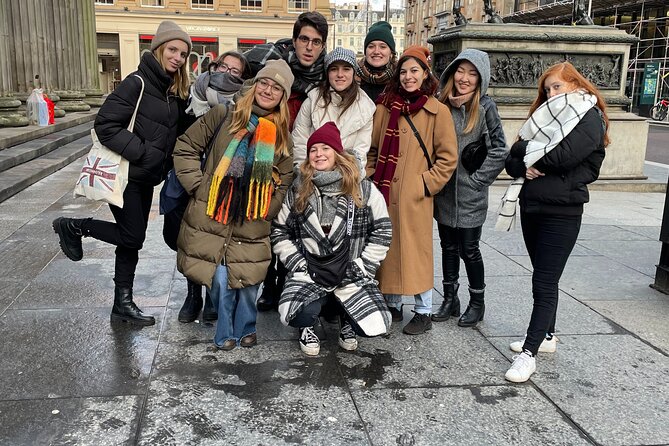
The walk closes at Glasgow Cathedral, described as Scotland’s only extant cathedral. The stop is about twenty minutes, and the tour ends close to the entrance so you can conduct your own private experience afterward.
That structure is smart. Many tours rush you out right when you’re most interested. Here, the idea is you finish with a key landmark and then keep your pace—quick look if you’re tired, longer look if the building grabs you. It’s a practical way to blend guided storytelling with freedom.
One tip: treat the last minutes as your “choose your own adventure” window. If you want photos, take them early in the stop. If you want to sit and read details, spend a little less time photographing and a little more time looking closely at stonework and layout.
Pacing, timing, and weather: what to expect on the ground
This tour is designed to move. Each stop is timed, and you’ll be walking between them through central streets. That’s great for getting oriented without losing a full day, but it means you should pack for a normal walking rhythm.
It also runs with an expectation of good weather. If it’s canceled due to poor weather, you’d be offered a different date or a full refund. Based on the experience feedback, guides are good at keeping people engaged even when conditions aren’t ideal, but you’ll still want to be prepared.
What I’d bring:
- A light rain layer just in case. Even if the guide handles it well, you’ll feel it in an outdoor walk.
- Comfortable shoes. You’re on your feet for roughly two hours.
- A small water plan. Bottled water and coffee/tea are not included.
Group size and the hearing factor
With a maximum of 12 travelers, this is one of those tours where you can follow the guide without constant shoulder-to-shoulder shuffling. It helps with two big things: hearing the story and staying oriented at each stop.
If you’re traveling with friends or family and you want one activity that’s social but not chaotic, this size is a sweet spot. You can ask questions at the edges of the route, and the guide’s tone stays consistent instead of getting lost in a bigger crowd.
Who this Glasgow walk suits best (and who might want something else)
This works especially well if:
- You’re in Glasgow for the first time and want a fast explanation of what’s around you.
- You like history told with humor and character, not just dates and facts.
- You want a plan that ends near the center so you can keep exploring right away.
It may be less ideal if:
- You want long, slow time inside a single landmark. The stops are short by design.
- You’re already a Glasgow history expert and only want the most detailed version of each site. This gives you a strong overview, not a deep archive experience.
- You strongly prefer present-day local culture. The focus here is heavily historical and architectural, with occasional modern-life insights depending on the guide’s storytelling.
Should you book this Glasgow walking tour?
I’d book it if you want a low-stress first-day orientation that makes Glasgow feel understandable. At $23.61 and about two hours, you get a lot of “why” for your walk: City Chambers’ marble staircase and film-set presence, the Conehead Duke of Wellington connection at the Gallery of Modern Art, George Square’s statue-driven history, Merchant City’s rise through ports and shipyards, and then a final stop at Scotland’s only extant cathedral.
If you’re on the fence, your best deciding factor is your patience for a compact route. If you’re happy with quick stops and want to leave knowing what you’re looking at, this is a strong match. If you’d rather linger and go deep at fewer sites, you might choose a slower day. Either way, this is one of the easiest ways to turn central Glasgow from scenery into story.
FAQ
How long is the Walking Tour of Glasgow?
It runs for about 2 hours.
What is the price per person?
The price is $23.61 per person.
Where does the tour start and end?
It starts at the meeting point shown as 9C7QVQ62+C4MVQ62+C4M Glasgow, UK and ends at Mercat Cross, High St, Glasgow G1 5AA.
Is the tour in English, and do I get a ticket on my phone?
Yes. The tour is offered in English and you receive a mobile ticket.
Are there free admission stops?
Free admission tickets are listed for the main stops on the route.
How big is the group?
The tour has a maximum of 12 travelers.
What happens if the weather is poor?
The experience requires good weather. If it’s canceled due to poor weather, you’ll be offered a different date or a full refund.
Keep Walking: More Guided Strolls in Glasgow
- Glasgow City Centre Walking Tour with Local Guide
★ 5.0 · 1,326 reviews - Glasgow: Ghouls, Ghosts & Gruesome Tales Guided Walking Tour
★ 4.9 · 887 reviews - Glasgow: City Center Guided Walking Tour
★ 4.7 · 759 reviews - Glasgow Street Art Daily Walking Tour: 2pm
★ 5.0 · 648 reviews - Gander Walking Tours in Glasgow
★ 5.0 · 506 reviews
More Tours in Glasgow
- Glasgow: Celtic Park Stadium Tour
★ 4.9 · 3,336 reviews - Guided Celtic Park Stadium Tour
★ 5.0 · 3,136 reviews - Glasgow: City Sightseeing Hop-On Hop-Off Bus Tour
★ 4.5 · 3,095 reviews - From Glasgow: Oban, Glencoe, Highland Lochs & Castles Tour
★ 4.9 · 2,123 reviews - City Sightseeing Glasgow Hop-On Hop-Off Bus Tour
★ 4.5 · 1,873 reviews
More Tour Reviews in Glasgow
- Glasgow: Celtic Park Stadium Tour
★ 4.9 · 3,336 reviews - Guided Celtic Park Stadium Tour
★ 5.0 · 3,136 reviews - Glasgow: City Sightseeing Hop-On Hop-Off Bus Tour
★ 4.5 · 3,095 reviews - From Glasgow: Oban, Glencoe, Highland Lochs & Castles Tour
★ 4.9 · 2,123 reviews - City Sightseeing Glasgow Hop-On Hop-Off Bus Tour
★ 4.5 · 1,873 reviews
Still browsing? A handful of other Glasgow trips worth a place on the list



Walking Tours, compared.
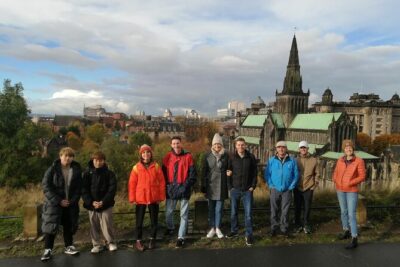 ★ 5.0Glasgow City Centre Walking Tour with Local GuideFrom $161,326 reviews
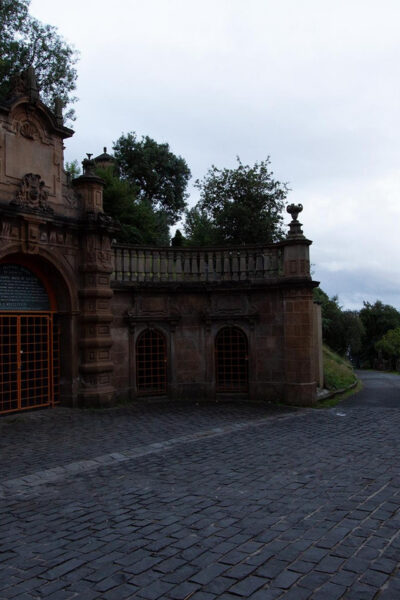 ★ 4.9Ghouls, Ghosts & Gruesome Tales Guided Walking TourFrom $22887 reviews
 ★ 4.7City Center Guided Walking TourFrom $16759 reviews
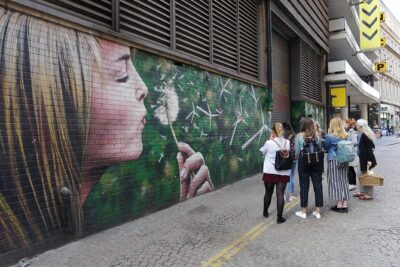 ★ 5.0Glasgow Street Art Daily Walking Tour: 2pmFrom $19648 reviews
 ★ 5.0Gander Walking Tours in GlasgowFrom $16506 reviews
 ★ 5.0Gothic Glasgow Walking TourFrom $19448 reviews
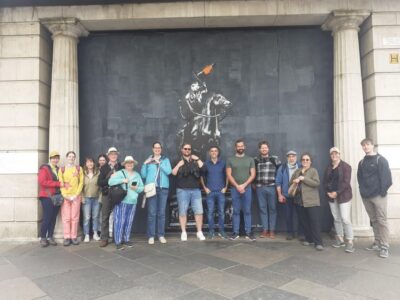 ★ 4.8Street Art Guided Walking TourFrom $16385 reviews
 ★ 5.0Stirling Old Town Daily Walking Tour (11am & 2pm)From $19279 reviews
Browse the lists this tour appears in