
Reviewed · WALKING TOURS
Gander Walking Tours in Glasgow
Glasgow has a sense of humor. This 3-hour small-group walk turns central Glasgow into a story you can follow, with Mother Glasgow as the thread. Two things I love right away are how Johnny keeps the pace easy and how the tour mixes famous sights with oddball details that you’d normally miss.
Second, I really like the way the stops connect. You start with iconic monuments, then move through civic landmarks, street corners, and one big finale at Glasgow Cathedral—so your brain builds a clear map of how the city grew and changed. It’s also practical: many stops are outside and ticket-free, so you can spend your time looking instead of lining up.
One possible drawback: it’s a proper walk in the city center. If weather is awful, bring gear and plan for a longer day of walking, since several parts are outdoors and the route is built around that.
In This Review
- Key highlights to know before you go
- Royal Exchange Square to Glasgow Cathedral: the walk that builds your bearings fast
- Mother Glasgow storytelling: how the city becomes one connected plot
- Wellington Statue and George Square: iconic Glasgow with punchlines
- Trongate and Glasgow Cross (Tolbooth Steeple): the city’s fun side meets its epicentre
- St. Mungo street art and Provand’s Lordship: the Glasgow you can’t stop looking at
- Glasgow Cathedral and the Necropolis backdrop: medieval Gothic meets Victorian shadow
- Price and value for a 3-hour city-centre hit
- Practical tips from what the guide style really asks of you
- Should you book this Glasgow Gander walking tour?
- FAQ
- How long is the Gander walking tour in Glasgow?
- When does the tour start, and where do I meet?
- What’s the group size?
- Is the tour offered in English?
- Do I get a mobile ticket?
- Are the stops free of admission?
- Where does the tour end?
- Does the tour go inside Glasgow Cathedral?
- Are service animals allowed?
Key highlights to know before you go
- Small group (max 15): you get real attention instead of a rushed herd.
- Johnny’s storytelling style: props and photos get used to make the facts stick.
- A perfect 10:30am orientation: you finish near Glasgow Cathedral, ready to explore more.
- Street-level surprises: from civic symbolism to street art and architecture you can’t “unsee.”
- Route spans eras: you’ll cover Georgian oddities, commercial and industrial growth, and medieval-to-Victorian contrasts.
- Practical local tips at the end: you get a list of places to eat and visit after the walk.
Royal Exchange Square to Glasgow Cathedral: the walk that builds your bearings fast
This tour starts at 8–10 Royal Exchange Square in Glasgow’s City Centre, with the morning launch at 10:30am. It ends at Glasgow Cathedral, on Castle Street, and you’ll finish at the cathedral area (the guidance says the end point is inside the cathedral on the north-west side of the city centre, though the finish can shift depending on access rules).
What makes this setup work is that the route is dense. You’re not spending your time on long transfers or “catch the next bus” moments. You’ll walk through the heart of Glasgow, see major landmarks, and also get a feel for how the streets connect—so the rest of your visit becomes simpler.
The small-group size matters. With a maximum of 15 people, the guide can actually read the group—pace, questions, and even whether you’re following along. That personal feel comes up again and again in the experience details you’re given: the guide uses names, checks in during the walk, and keeps things moving without feeling like a sprint.
If you like tours that feel like a conversation with someone who truly cares about their home city, this one fits. People describe Johnny as enthusiastic and funny in a way that never feels forced. It also helps that he talks clearly from the start to the finish—useful on busy streets where sound can get messy.
More guided walks worth the shoe leather around Glasgow


Mother Glasgow storytelling: how the city becomes one connected plot
Glasgow can feel like a jumble of stone and statues until someone gives you the threads. This walk does that using a character approach—Mother Glasgow. You’re introduced to the idea early, including the nickname Glaswegians use for the city’s forces and identities, and then you see how it plays out street by street.
I like this method because it makes the facts easier to remember. Instead of a list of dates, you’re building a story about growth, industry, decline, and reinvention. You’ll hear how Glasgow rose as a commercial and then industrial city, what caused the slowdown, and how the city’s legacy still shows up in modern life.
The best part is how the guide balances big-picture history with street-level detail. For example, you aren’t just told that Glasgow has civic pride—you’re shown the symbolic heart of the city and pointed toward buildings and public art that act like signposts. You also learn to look up and notice things that many people walk right past.
One more detail that can really change your experience: the guide uses props and photos. That sounds small, but it turns distant details into something you can picture while you’re standing there.
Wellington Statue and George Square: iconic Glasgow with punchlines
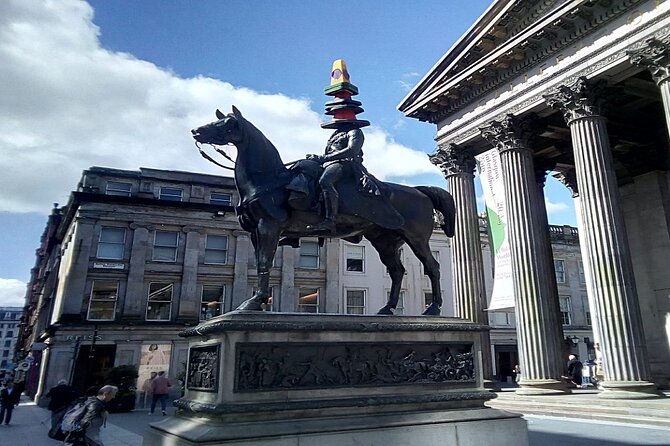
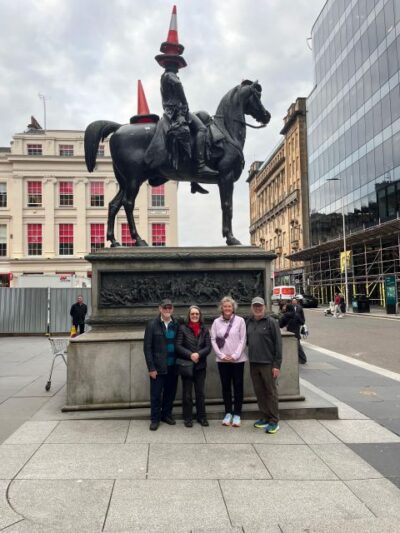
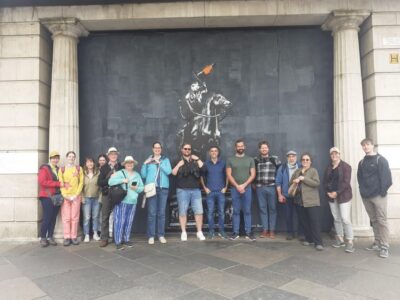
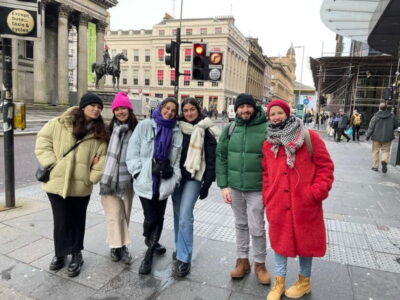
The first big stop brings you face to face with the Duke of Wellington Statue. The funny part is the tradition you hear about—the way people relate to Wellington’s cone-wearing commander look. It’s the kind of story that explains how local humor and modern Glasgow culture can wrap around older monuments.
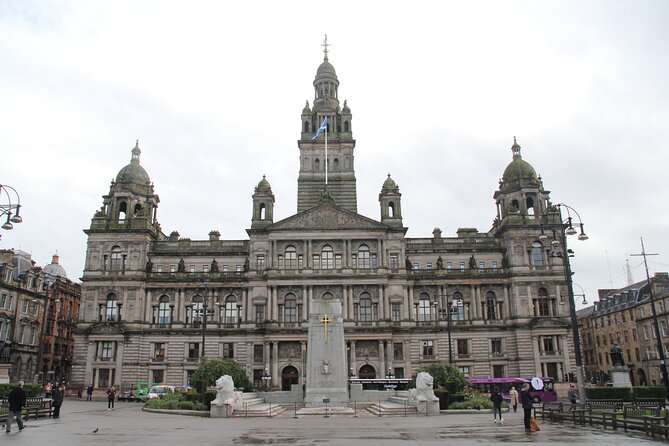
From there, you move into George Square, the symbolic heart of central Glasgow. This is where the tour starts teaching you how to read the city’s official “public face.” You’ll spot the civic vibe, including Glasgow City Chambers, which is one of northern Europe’s finest civic buildings. Even if you’ve never planned to study civic architecture, the guide helps you see why it’s such a statement: shape, scale, and symbolism all tell you who held power, who funded it, and how the city wanted to be seen.
Then you get a classic “wait, what?” moment. Part of the stop is watching for an unpredictable movement of a rooftop ship. It’s exactly the kind of detail that makes the walk feel alive: not just sightseeing, but noticing.
If you’re the type who loves photos, this is a strong section. George Square and the surrounding streets give you good sightlines, and the guide points out what to photograph and what to look for before you lift your phone.
Trongate and Glasgow Cross (Tolbooth Steeple): the city’s fun side meets its epicentre
Next comes Trongate, an ancient thoroughfare near the 16th-century Tron Kirk Steeple. This is where the walk starts leaning into the “you’ll never know this alone” category—without pretending it’s some secret bunker of the city.
You’ll hear the story of a hidden entertainment venue, described in a way that makes the place sound like it has seen everything. You also learn to connect layers: the street looks straightforward, but the meaning under it is stranger and more theatrical than you’d guess.
Then you head to Tolbooth Steeple and Glasgow Cross—the epicentre where multiple main streets meet. This is Old Glasgow territory, and the guide doesn’t soften the story. The tale is framed around Glasgow’s growth and the reality of how commerce and industry shaped the city, then how the downturn came, and what the legacy left behind.
One practical advantage here: this segment helps you understand the city’s skeleton. If you’re planning to roam on your own later, you’ll have a mental map for why certain streets feel like they matter. You also start spotting buildings and corners as pieces in a larger system instead of random backdrops.
St. Mungo street art and Provand’s Lordship: the Glasgow you can’t stop looking at
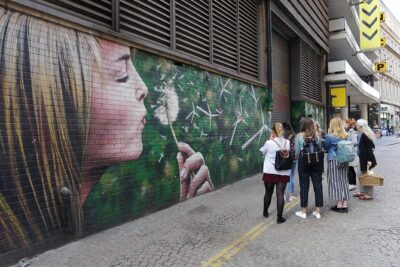
As you move toward St. Mungo at High Street, the tour hits one of the easiest “wow” moments in central Glasgow. You’ll see Glasgow’s most famous son hiding in plain sight—one of the standout street art pieces people talk about. It’s short—just a couple minutes—but it hits because you actually get to stop and look.
Then there’s a step across from Provand’s Lordship, which is described as the city’s oldest house from the 15th century. From there, you’ll take in four special buildings, including a small blue one sometimes associated with inter-dimensional travel. That part is playful, but it’s also useful: it keeps the route from feeling like you’re marching from museum to museum. You’re learning while having fun.
This section is ideal if you like street-level culture. The guide’s humor and speed here make it easy to remember the stop even if you’re not a hardcore architecture person.
- Glasgow: Celtic Park Stadium Tour★ 4.9 · 3,336 reviews
- Guided Celtic Park Stadium Tour★ 5.0 · 3,136 reviews
- Glasgow: City Sightseeing Hop-On Hop-Off Bus Tour★ 4.5 · 3,095 reviews
- From Glasgow: Oban, Glencoe, Highland Lochs & Castles Tour★ 4.9 · 2,123 reviews
- City Sightseeing Glasgow Hop-On Hop-Off Bus Tour★ 4.5 · 1,873 reviews
Glasgow Cathedral and the Necropolis backdrop: medieval Gothic meets Victorian shadow
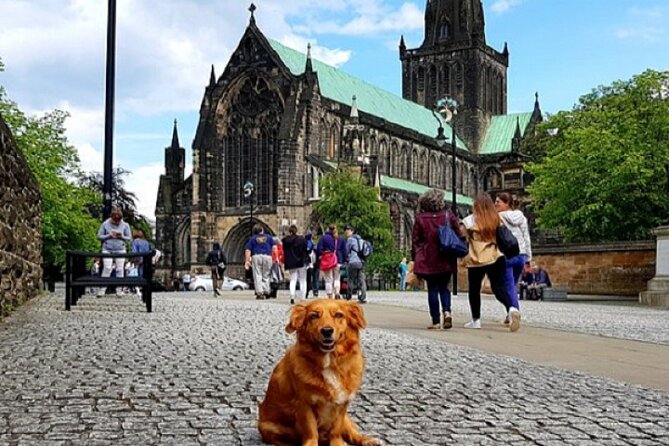
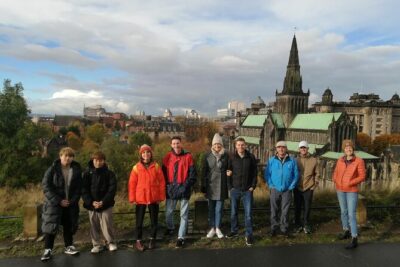
The finale is Glasgow Cathedral, with its medieval Scottish Gothic style and a dramatic backdrop of Victorian Glasgow’s Necropolis. Even if you’ve seen Gothic cathedrals before, this setting changes the mood. You can feel the city’s layered timeline: medieval spiritual center in front, Victorian “city of the dead” behind.
There’s also a real-world note built in. Depending on COVID-related group size rules and mask-wearing requirements, the tour may finish outside rather than inside the cathedral. So don’t assume you’ll be guaranteed a full indoor walk-through, but do expect the exterior views and the explanation to land regardless.
If you want the most out of the last stretch, bring patience for walking and standing. Cathedral areas reward you for slowing down. The guide does a good job connecting architecture to time—why certain design choices matter, and how the cathedral fits the larger Glasgow story you’ve been building all morning.
By the end, you should feel ready to explore nearby streets and keep the narrative going on your own.
Price and value for a 3-hour city-centre hit

At $16.64 per person for about 3 hours, the value is strong—mostly because you’re getting three things in one package: a guided route, free admissions at the noted stops, and a small-group experience with a guide who shares extra material.
You’re also paying for interpretation, not just movement. This tour doesn’t stop at naming buildings; it explains what they meant and how Glasgow’s character formed. That’s why people mention how fast the hours pass, especially on a cold, rainy day.
A big practical value point: you’re likely to avoid unnecessary extra costs. Many stops are marked free of admission, so you can spend your money on later food, drinks, and optional attractions instead of tickets.
On top of that, the guide sends out a detailed list after the walk—places to eat, pubs, and things to do. That kind of post-tour guidance is the hidden value. It turns your morning into a full-day plan.
Practical tips from what the guide style really asks of you
If you want this tour to feel effortless, do three things:
- Wear comfy walking shoes. This is a city-centre walk with multiple stops, so your feet matter more than your schedule.
- Bring a pen and paper if you like notes. People specifically call out that the guide shares a lot of information; writing a few names and ideas helps you remember what to chase later.
- Dress for the weather. Glasgow can change fast. The tour runs in real streets, not just sheltered attractions.
Also, give yourself permission to ask questions. With a max of 15 people, it’s easier for the guide to respond and adjust the pace.
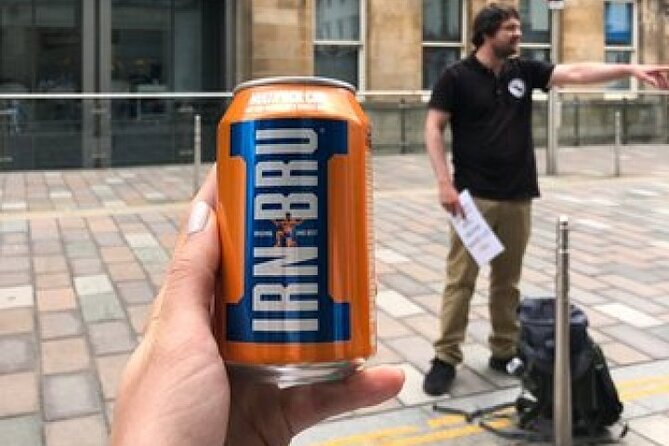
Finally, watch for the small “extra” touches the guide uses. Props and photos keep the stories concrete. And there may be a local drink tasting along the way (one common example mentioned is Irn Bru).
Should you book this Glasgow Gander walking tour?
Book it if you want a first-day orientation to Glasgow that feels personal, funny, and grounded in what’s actually in front of you. It’s especially worth it if you plan to spend most of your short time in central Glasgow and you’d like a guide’s perspective for where to go next.
Skip it if you hate walking, you need long indoor time in climate control, or you want a purely quiet, low-story tour. This one is built on conversation, street stories, and looking at the city with a sense of humor.
If you’re on the fence, here’s my simple rule: if you like learning while you walk and you care about how places got to be the way they are, this tour is a solid use of your time.
FAQ
How long is the Gander walking tour in Glasgow?
It runs for about 3 hours.
When does the tour start, and where do I meet?
It starts at 10:30am. The meeting point is 8–10 Royal Exchange Square, Glasgow G1 3AB.
What’s the group size?
The tour has a maximum of 15 travelers.
Is the tour offered in English?
Yes, it’s offered in English.
Do I get a mobile ticket?
Yes, the tour uses a mobile ticket.
Are the stops free of admission?
The stops listed are marked free of admission.
Where does the tour end?
It ends at Glasgow Cathedral, Castle Street, near the north-west side of Glasgow City Centre.
Does the tour go inside Glasgow Cathedral?
It may, but depending on COVID restrictions on group size and mask-wearing, it might finish outside instead of inside.
Are service animals allowed?
Yes, service animals are allowed.
Keep Walking: More Guided Strolls in Glasgow
- Glasgow City Centre Walking Tour with Local Guide
★ 5.0 · 1,326 reviews - Glasgow: Ghouls, Ghosts & Gruesome Tales Guided Walking Tour
★ 4.9 · 887 reviews - Glasgow: City Center Guided Walking Tour
★ 4.7 · 759 reviews - Glasgow Street Art Daily Walking Tour: 2pm
★ 5.0 · 648 reviews - Gothic Glasgow Walking Tour
★ 5.0 · 448 reviews
More Tours in Glasgow
- Glasgow: Celtic Park Stadium Tour
★ 4.9 · 3,336 reviews - Guided Celtic Park Stadium Tour
★ 5.0 · 3,136 reviews - Glasgow: City Sightseeing Hop-On Hop-Off Bus Tour
★ 4.5 · 3,095 reviews - From Glasgow: Oban, Glencoe, Highland Lochs & Castles Tour
★ 4.9 · 2,123 reviews - City Sightseeing Glasgow Hop-On Hop-Off Bus Tour
★ 4.5 · 1,873 reviews
More Tour Reviews in Glasgow
- Glasgow: Celtic Park Stadium Tour
★ 4.9 · 3,336 reviews - Guided Celtic Park Stadium Tour
★ 5.0 · 3,136 reviews - Glasgow: City Sightseeing Hop-On Hop-Off Bus Tour
★ 4.5 · 3,095 reviews - From Glasgow: Oban, Glencoe, Highland Lochs & Castles Tour
★ 4.9 · 2,123 reviews - City Sightseeing Glasgow Hop-On Hop-Off Bus Tour
★ 4.5 · 1,873 reviews
Still browsing? A handful of other Glasgow trips worth a place on the list





Walking Tours, compared.
 ★ 5.0Glasgow City Centre Walking Tour with Local GuideFrom $161,326 reviews
 ★ 4.9Ghouls, Ghosts & Gruesome Tales Guided Walking TourFrom $22887 reviews
 ★ 4.7City Center Guided Walking TourFrom $16759 reviews
 ★ 5.0Glasgow Street Art Daily Walking Tour: 2pmFrom $19648 reviews
 ★ 5.0Gothic Glasgow Walking TourFrom $19448 reviews
 ★ 4.8Street Art Guided Walking TourFrom $16385 reviews
 ★ 5.0Stirling Old Town Daily Walking Tour (11am & 2pm)From $19279 reviews
 ★ 4.5Historical Walking Tour: Guided by a local actorFrom $20198 reviews
Browse the lists this tour appears in