
Reviewed · GLASGOW STREET ART & MUSIC TOURS
Merchant City: Past and Present Music Tour
Glasgow’s best music stories are on the pavement. This walking tour threads together the past and present of the city’s live-music scene with stop-by-stop character, humor, and genre talk you can follow even if you are not a die-hard fan. What I like most is the way it mixes famous venues with everyday streets, so the whole walk feels like it has a soundtrack.
I especially love the Britannia Panopticon stop, since you get entry and can actually see why it matters as the UK’s oldest surviving music hall. I also like the guide style: musicians and journalists bring stories in a way that stays human, not textbook. One possible drawback: if you are not into the Glasgow bands and the punk/folk/pop/rock mix they reference, a few connections may feel a bit fast.
You start in a proper live-music pub area, then move through the East End and Merchant City without doing the usual tourist loop. You finish at Mono Café Bar, which is a nice landing spot if you want to keep the night going with food or a drink.
In This Review
- Key things I’d underline before you go
- Merchant City and the East End: why this Glasgow music walk works
- Starting at The Clutha: getting your bearings in a live-music pub zone
- Barrowland Ballroom tales and the Barrowland Pathway memories
- Britannia Panopticon entry: stepping into Britain’s oldest surviving music hall
- UNESCO City of Music: how Glasgow kept reinventing its sound
- Genres on the move: folk, punk, pop, rock, and the shared DNA
- Merchant City icons: why this area shaped big names
- Price and value: $26 for a 2-hour story-led walk plus a paid stop
- Practicalities: shoes, stairs, and pacing a wet Glasgow day
- Who this tour suits best (and who might want to adjust expectations)
- Should you book this Past and Present Music Tour?
- FAQ
- Where does the tour start?
- Where does the tour end?
- How long is the walking tour?
- How much does it cost?
- Is entry to Britannia Panopticon included?
- Do I need to be a music expert?
- What language is the tour guide?
- What should I wear?
- Will there be stairs or hills?
- Do you offer free cancellation?
Key things I’d underline before you go
- The walk actually links venues to real street corners, so history feels personal
- Britannia Panopticon entry is included, not just a photo stop
- Barrowland Ballroom stories come with scene details, not vague hype
- Multiple genres get covered (folk, punk, pop, rock), so there is likely something for you
- You learn why Glasgow was the UK’s first UNESCO City of Music
- Guides can tailor the vibe, and some have even suggested concerts that match your taste
Merchant City and the East End: why this Glasgow music walk works
This tour is built around one simple idea: Glasgow’s music scene is not only in famous buildings. It lives in the streets between them, in the pubs that keep people talking, and in the way communities keep passing energy from one generation to the next.
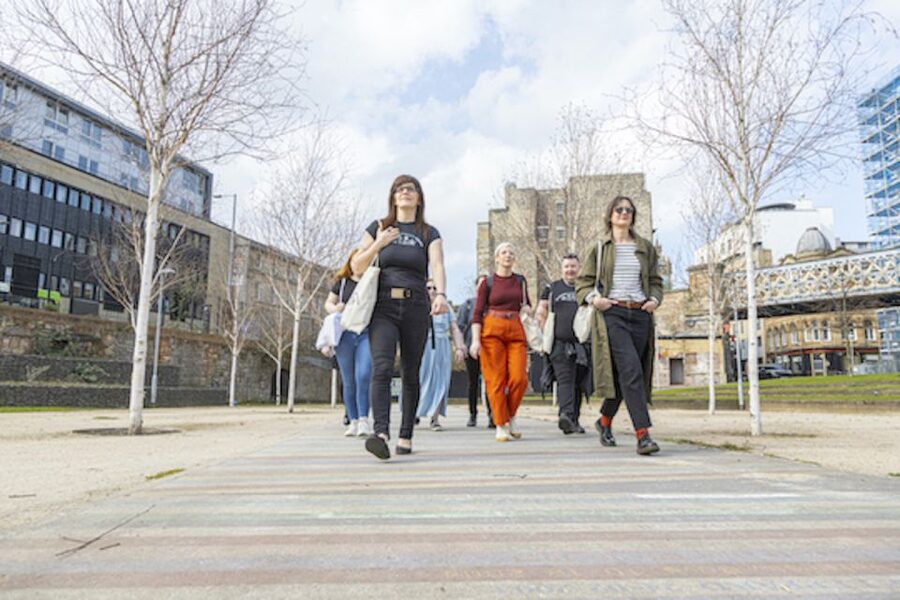
The pace is set for a 2-hour walk, so you get enough time to hear stories and see key places without turning it into a marathon. I also like that the tour aims to take you away from the most obvious tourist trails. In practice, that means you spend more time in the older street layout and less time doing the same “look here” routine.
You’ll hear how veteran venues got a new lease of life, and how Glasgow’s visual arts community has worked alongside musicians. That matters, because it helps you understand why you keep seeing creative people share space and ideas, even when the music trends change.
Follow the murals and the tunes on more Glasgow walks in Glasgow
Starting at The Clutha: getting your bearings in a live-music pub zone
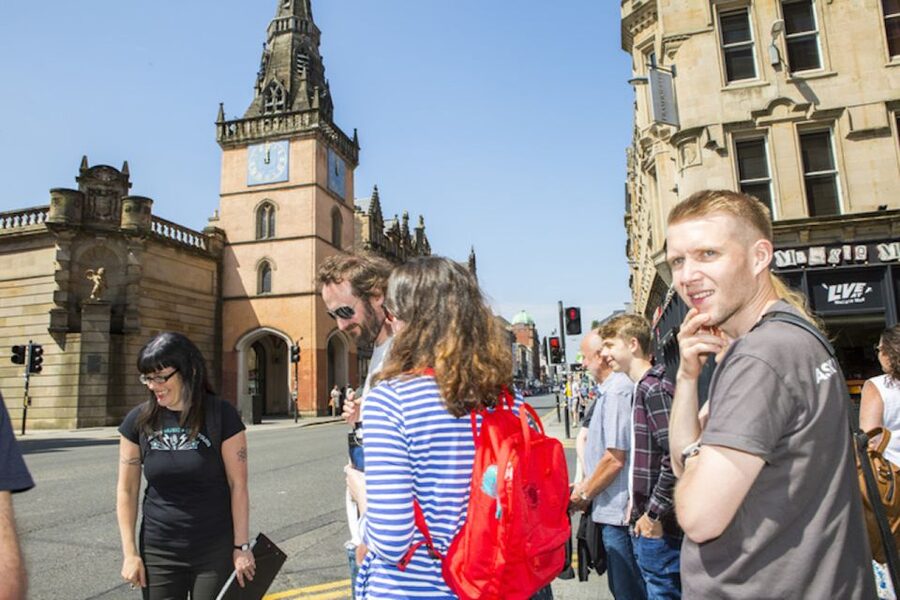
You begin outside The Clutha / Victoria Bar (167 Stockwell Street, G1 4SP). Starting in a place that already feels like part of the city’s music life is smart. It sets the tone fast: this is about a scene, not a museum.
Expect the guide to frame the walk with tall tales, funny stories, and fond recollections of gigs. That storytelling style is a big part of why this works for mixed groups—people who know the names will light up, and people who don’t still have something to hold onto: character, context, and the “why” behind the venues.
Also, it helps that the tour is delivered by people who come from Glasgow’s music world, including musicians and journalists. Even when you miss a reference, the guide keeps the narrative moving, connecting one stop to the next.
Barrowland Ballroom tales and the Barrowland Pathway memories
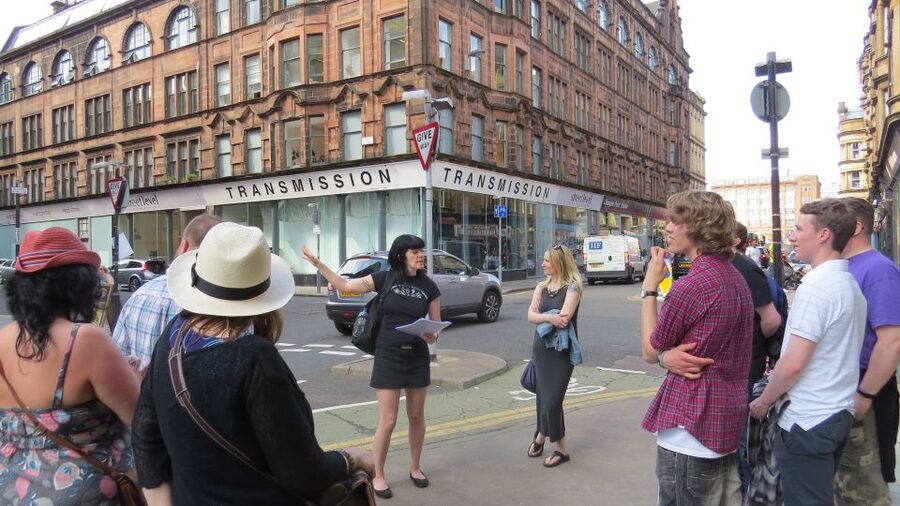
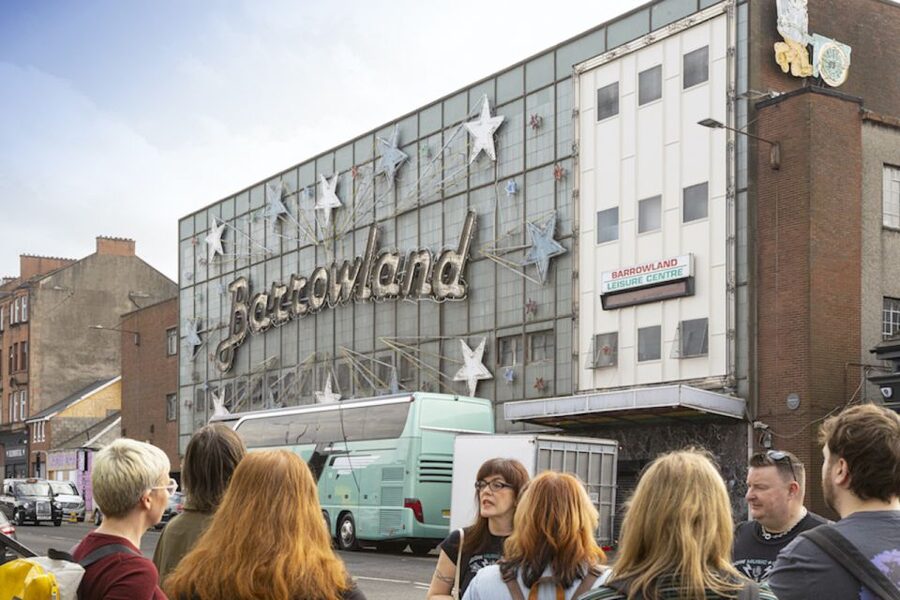
The Barrowland Ballroom is the kind of venue name that lands with instant credibility. Here, you do not just stop and look—you listen to stories about what makes it legendary.
You’ll also hear about the Barrowland Pathway, which is one of those details that makes the tour feel more specific than a standard “venue hop.” The pathway element helps you picture the lead-up to gigs: the arrival, the buzz, and the sense that these places are social as much as musical.
What I like about this section is how the guide stitches genres into the same streets. You should expect talk that ranges across folk and punk to pop and rock, framed in a way that connects to the city rather than only to individual bands. If you are the type who cares about how a local scene changes over time, this is where you’ll feel the most momentum.
One thing to watch: if you are not familiar with many of the band mentions, you might feel a little out of the loop. Still, the humor and the venue stories usually keep it enjoyable, even when some names do not click.
Britannia Panopticon entry: stepping into Britain’s oldest surviving music hall
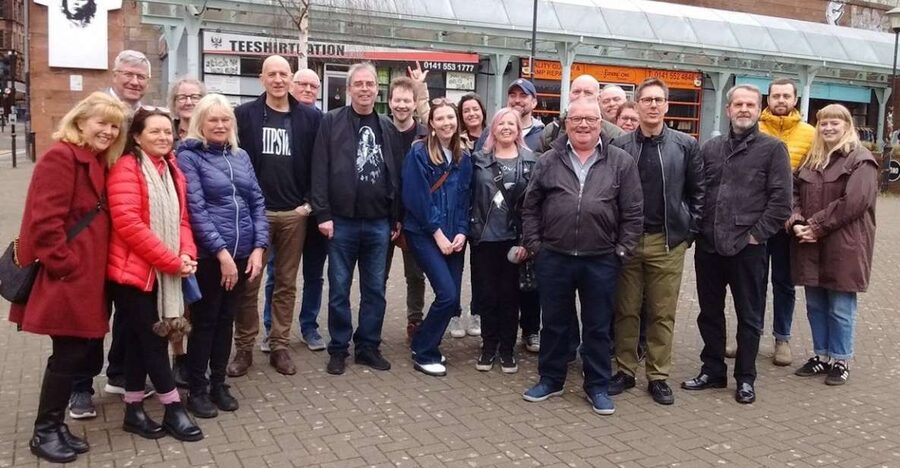
This is the stop I’d put near the top of your list. The tour includes entry into the Britannia Panopticon, which the tour describes as Britain’s oldest surviving music hall.
Why this is valuable: a lot of music tours treat buildings like backdrops. Here, you get inside. That means you can see the place as a performer would—how a room like this shapes sound, movement, and atmosphere. Even if your musical taste leans modern, historic music halls give you a better sense of how live entertainment was designed to land with an audience.
During this part of the walk, you’ll hear the story of how veteran venues found a new lease of life. That is not just trivia. It explains why the scene persists: it adapts. Old structures keep getting repurposed by new crowds, new music, and new energy.
Practical tip: music halls often mean you’ll be looking up, stepping around, and taking in details. Build in a few seconds to pause, look, and let the guide’s story sink in.
UNESCO City of Music: how Glasgow kept reinventing its sound
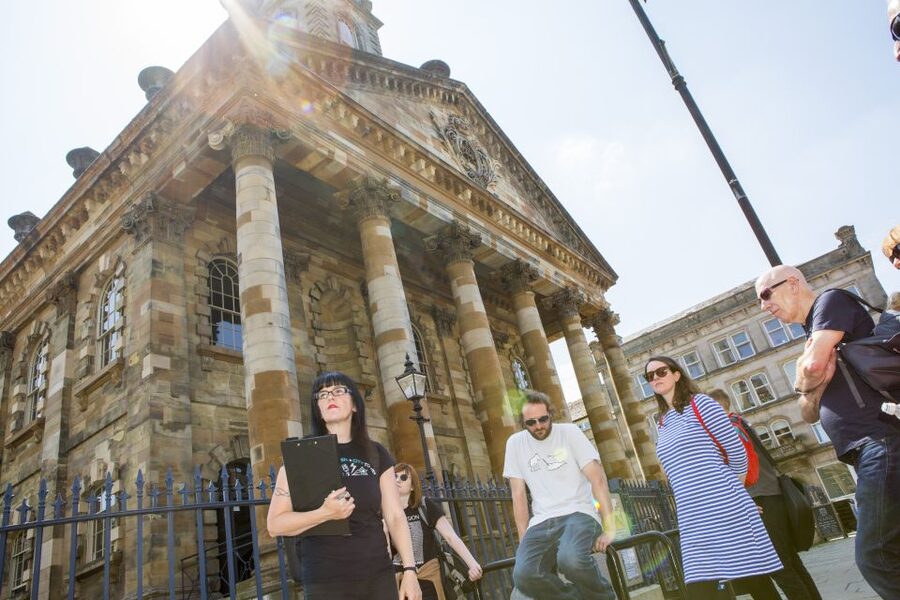
One of the tour’s big-picture themes is why Glasgow matters on the world music map. You’ll learn why the city was the UK’s first UNESCO City of Music, and you’ll connect that label to what you are seeing on the ground.
I find this helps visitors who want more than names on a list. UNESCO City of Music is not just a badge. It is a sign that Glasgow’s music ecosystem—venues, audiences, creative networks, and cultural institutions—was recognized at a citywide level.
The guide also talks about the relationship between the area’s visual arts community and its musicians. That theme explains why you might see art and performance bump into each other repeatedly. When creative communities cross-pollinate, new scenes can grow without starting from scratch.
If you like the idea of understanding how culture gets supported (even informally), this is a strong section of the tour. It ties the street-level stories to a broader reason the scene keeps moving.
Get your bearings on more city tours in Glasgow
- Glasgow: City Center Guided Walking Tour★ 4.7 · 759 reviews
- Merchant City Music Walking Tour of Glasgow★ 5.0 · 94 reviews
- Glasgow City and Clyde Bridges Bike Tour★ 5.0 · 91 reviews
- Glasgow Private Transfer from Glasgow Airport to City centre★ 4.0 · 30 reviews
- Glasgow: Guided City Highlights Tour & Whisky Tasting (5pm)★ 4.7 · 24 reviews
Genres on the move: folk, punk, pop, rock, and the shared DNA
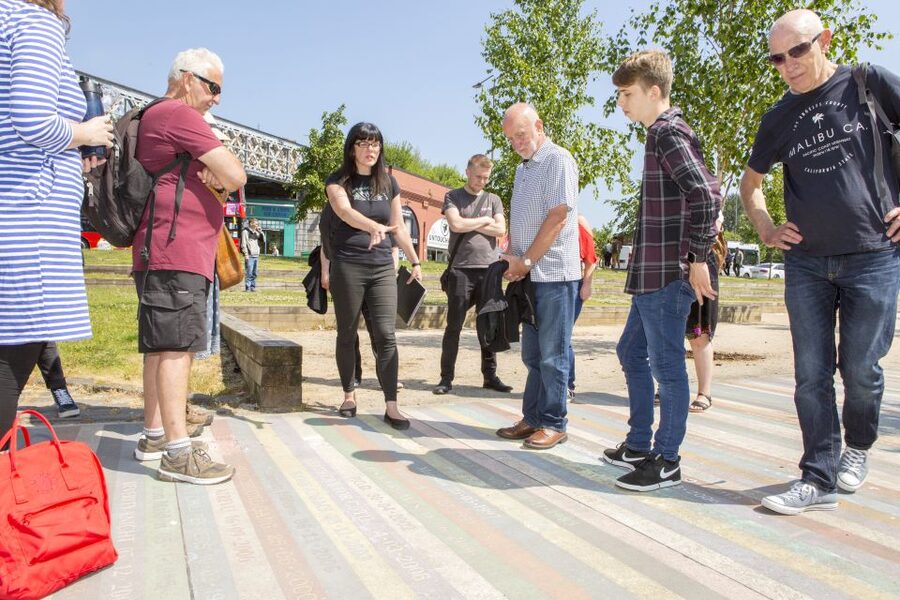
A lot of music tours pick one lane. This one leans on variety, with stories spanning folk and punk, pop and rock, among other influences.
The benefit for you is that you do not have to be “the right kind” of fan. A punk story can still make sense if you care about attitude and community. A pop story can still matter if you want to understand how venues build audiences. Folk stories can feel surprisingly current when the guide frames them as part of a local tradition of storytelling and gathering.
The key is how the guide links those genres to places you walk past. Instead of treating the city like a list of separate eras, the tour shows how the scene changes while keeping a sense of continuity: people show up, venues evolve, and music stays part of daily life.
If you are sensitive to name-heavy narration, pace yourself mentally. You do not need to memorize everything. The tour works best if you treat it like a playlist: you catch what you catch, and the places keep you oriented.
Merchant City icons: why this area shaped big names
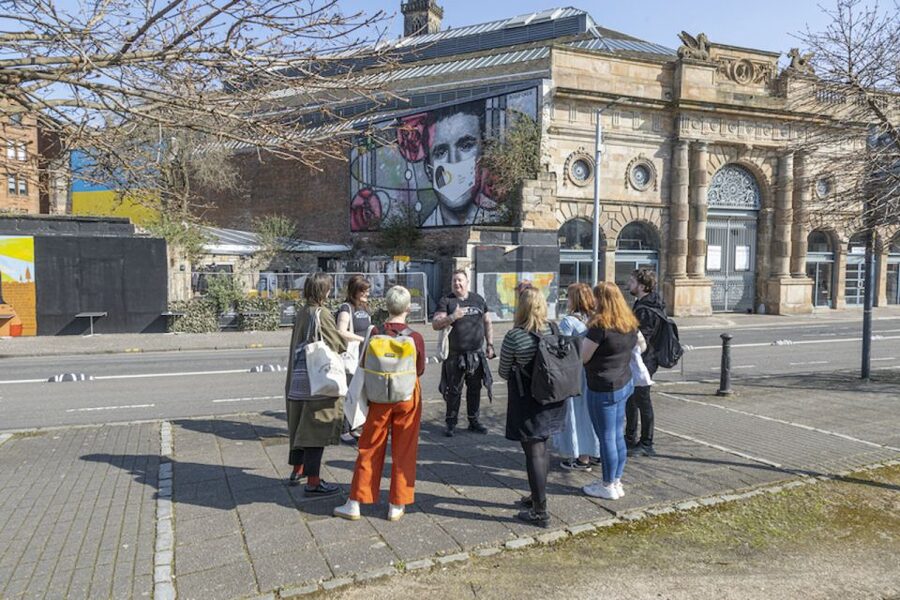
As you move through Merchant City, the tour connects the neighborhood to famous performers and cultural figures, including comedy and music names like Stan Laurel, Billy Connolly, and bands such as Simple Minds and Franz Ferdinand.
This is useful context because it reframes the Merchant City and East End as more than a nightlife zone. It becomes a creative stamping ground where different kinds of talent could thrive.
You’ll also hear about legendary pubs where folk music giants were regulars, plus newer, noisier upstarts that keep the grassroots scene growing. That contrast is exactly what makes this kind of walking tour feel alive: it shows how scenes overlap rather than die off cleanly.
If you enjoy connecting dots across comedy, rock, and folk, this section is where you’ll feel the tour’s “past and present” promise. It is the same streets, but a different crowd—and the same need for somewhere to gather and perform.
Price and value: $26 for a 2-hour story-led walk plus a paid stop
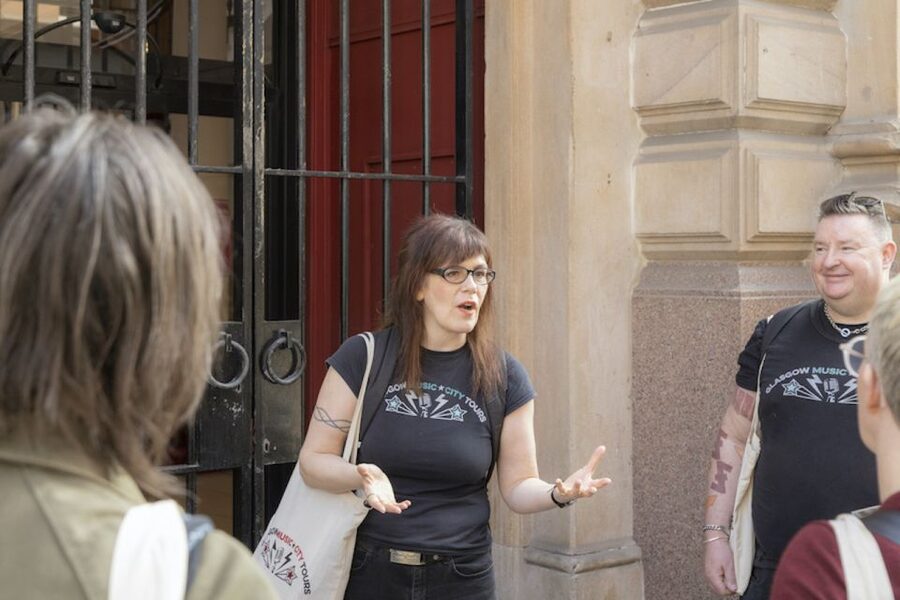
At $26 per person for a 2-hour walk, this sits in the affordable end of paid tours—especially because entry into the Britannia Panopticon is included.
Here is the value logic: you are not paying just for walking and narration. You are paying for (1) a guided circuit through key music areas, (2) access inside a major historic music hall, and (3) a guide who can explain how venues and communities relate, not only where they are.
A second value point is length. Two hours is long enough to feel like you got the story arc, and short enough that it does not drain your whole day. If you’ve got dinner plans, you’re still in good shape to keep moving afterward.
Practicalities: shoes, stairs, and pacing a wet Glasgow day
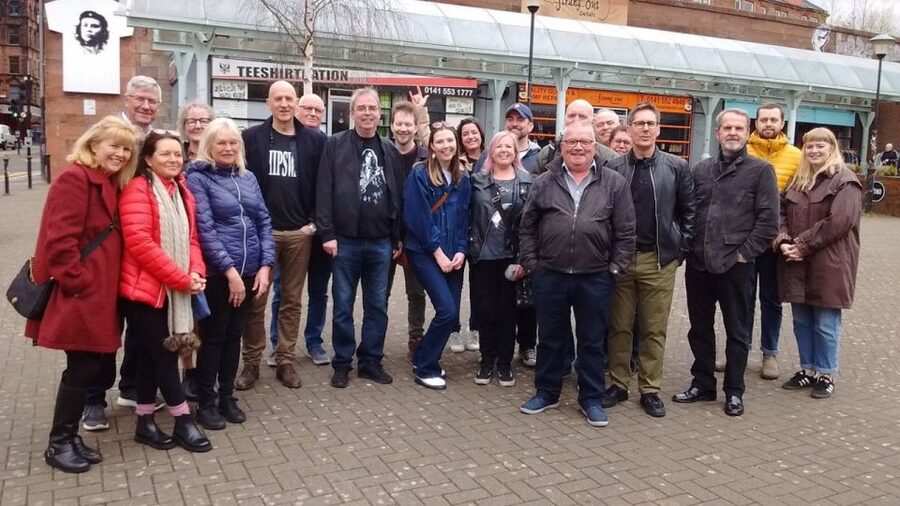
This tour is a walking route through older streets, so plan for real-world city movement. The recommendation is comfortable, flat shoes and waterproof clothing. Good advice for Glasgow, even on a bright day.
Also note that there will be stairs and inclines. That affects how you should pack your day. If you know you tire easily on hills or stairs, it is worth considering whether a shorter plan might suit you better.
The meeting point is outside The Clutha / Victoria Bar at 167 Stockwell Street (G1 4SP). The tour ends at Mono Café Bar, so have your next stop in mind—food, coffee, or a pub drink to keep the theme going.
And if you want something extra from the experience, lean into the guide. One person mentioned that their guide gave a concert tip that matched their music tastes and turned into a great night. Even if you do not request it upfront, it is a solid move to ask near the end where you can catch a show that fits you.
Who this tour suits best (and who might want to adjust expectations)
This works best if you want a real feel for Glasgow’s music scene through locations, stories, and the mix of older and newer venues. If you like punk, folk, pop, rock, or you just like hearing how scenes form and change, you’ll get a lot from the stop-by-stop narration.
You might want to set expectations if you are not comfortable with a band-name-heavy conversation. The tour can still be enjoyable through the storytelling and the venue focus, but a few references may fly past if you do not follow Glasgow acts closely.
It also suits people who like guided walks but hate the generic sightseeing vibe. Since it aims to avoid the usual tourist trails, you’ll likely feel like you’re seeing Glasgow as locals might talk about it.
Should you book this Past and Present Music Tour?
Yes, if your goal is to understand Glasgow’s music culture in two hours, with real stops and one included interior visit. The Britannia Panopticon entry alone makes it feel more worthwhile than a purely exterior walking tour.
Book it if you enjoy storytelling that connects venues, pubs, and creative communities—especially the Barrowland Ballroom section and the way the guide links genres across the same neighborhoods.
Skip it only if you strongly prefer single-genre tours or you know you dislike name-heavy explanations. If that sounds like you, choose another kind of Glasgow walk where the focus stays narrower.
If you do book, wear good shoes, bring a rain layer, and do one thing that makes the whole experience better: ask your guide for a music recommendation for that night. That small question can turn a good tour day into a great concert night.
FAQ
Where does the tour start?
The tour starts outside The Clutha/Victoria Bar at 167 Stockwell Street, G1 4SP.
Where does the tour end?
The tour finishes at Mono Café Bar.
How long is the walking tour?
It lasts 2 hours.
How much does it cost?
It costs $26 per person.
Is entry to Britannia Panopticon included?
Yes. Entry into Britannia Panopticon is included.
Do I need to be a music expert?
No. The tour is designed so you do not need to be a music expert to enjoy it.
What language is the tour guide?
The tour is guided in English.
What should I wear?
Wear comfortable, flat shoes and waterproof clothing.
Will there be stairs or hills?
Yes. There will be stairs and inclines.
Do you offer free cancellation?
Yes. You can cancel up to 24 hours in advance for a full refund.
More Tours in Glasgow
- Glasgow: Celtic Park Stadium Tour
★ 4.9 · 3,336 reviews - Guided Celtic Park Stadium Tour
★ 5.0 · 3,136 reviews - Glasgow: City Sightseeing Hop-On Hop-Off Bus Tour
★ 4.5 · 3,095 reviews - From Glasgow: Oban, Glencoe, Highland Lochs & Castles Tour
★ 4.9 · 2,123 reviews - City Sightseeing Glasgow Hop-On Hop-Off Bus Tour
★ 4.5 · 1,873 reviews
More Street Art & Music Walks in Glasgow
- Glasgow Street Art Daily Walking Tour: 2pm
★ 5.0 · 648 reviews - Glasgow: Street Art Guided Walking Tour
★ 4.8 · 385 reviews - Merchant City Music Walking Tour of Glasgow
★ 5.0 · 94 reviews - Glasgow’s Music Mile Walking Tour
★ 5.0 · 69 reviews - Glasgow’s Music Mile Tour
★ 4.9 · 28 reviews
More Tour Reviews in Glasgow
- Glasgow: Celtic Park Stadium Tour
★ 4.9 · 3,336 reviews - Guided Celtic Park Stadium Tour
★ 5.0 · 3,136 reviews - Glasgow: City Sightseeing Hop-On Hop-Off Bus Tour
★ 4.5 · 3,095 reviews - From Glasgow: Oban, Glencoe, Highland Lochs & Castles Tour
★ 4.9 · 2,123 reviews - City Sightseeing Glasgow Hop-On Hop-Off Bus Tour
★ 4.5 · 1,873 reviews
Still browsing? A handful of other Glasgow trips worth a place on the list
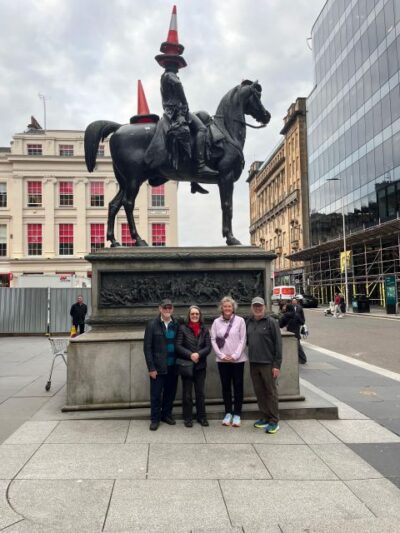





Glasgow Street Art & Music Tours, compared.
 ★ 5.0Glasgow Street Art Daily Walking Tour: 2pmFrom $19648 reviews
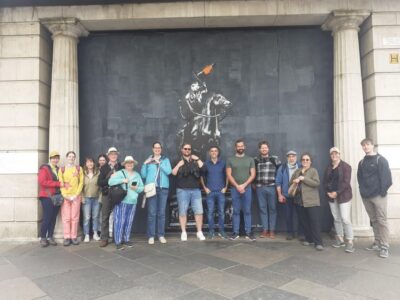 ★ 4.8Street Art Guided Walking TourFrom $16385 reviews
 ★ 5.0Merchant City Music Walking Tour of GlasgowFrom $2794 reviews
 ★ 5.0Glasgow’s Music Mile Walking TourFrom $2769 reviews
 ★ 4.9Glasgow’s Music Mile TourFrom $2628 reviews
 ★ 5.0Stuck in the 90s A Nostalgic Music ExperienceFrom $3822 reviews
Browse the lists this tour appears in